
Ordering custom team uniforms looks simple until you are chasing twenty players for sizes, the logo file is the wrong format and the first match is two weeks away. Get it wrong and the team plays a whole season in kit that is too hot, too tight or fading by October.
Get it right and the uniform does more than identify the side. It keeps players comfortable, makes the club look organised and builds a sense of belonging.
This guide covers what to look for in fabric and fit, how to plan the design, how to manage sizes and timelines, and how to get good quality without blowing the budget.
Why Team Uniforms Matter Beyond the Match
A uniform is the first thing opponents, parents and sponsors see. Before a ball is kicked, it tells everyone whether the team takes itself seriously.
It also matters inside the squad. When everyone wears the same colours, new players feel part of the group faster, and younger players in particular tend to take pride in wearing the club badge.
There are practical benefits too:
- Clear identificationfor referees and teammates during fast play.
- Visibility for sponsors, which can help fund the next season’s kit.
- A consistent club imageacross photos, social media and tournaments.
- Fewer argumentsabout what to wear, since everyone has the same kit.
But a uniform only delivers these benefits if players are happy to wear it. That comes down to fabric, fit and design.
Fabric and Fit: What Players Actually Need
Players don’t care how a jersey looks on a hanger. They care whether it stays dry, moves with them and survives the season.
| Fabric | Strengths | Best for | Watch out for |
| Polyester mesh | Very breathable, light | Soccer, basketball, warm climates | Can snag on rough contact |
| Polyester interlock | Smooth, durable, prints well | Most team sports, sublimated designs | Slightly warmer than mesh |
| Poly-elastane blend | Stretch, close fit | Rugby, compression-style kits | Higher cost |
| Cotton | Soft, cheap | Training tees, casual team shirts | Holds sweat, too heavy for matches |
Look for moisture-wicking finishes and mesh panels under the arms or down the sides, where players sweat most.
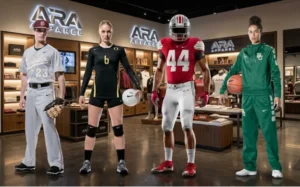
Fit matters just as much:
- Match jerseysshould be close-fitting but not tight. Loose fabric gets grabbed; tight fabric restricts movement.
- Shortsneed a comfortable elastic waistband with a draw card and enough leg room to sprint and stretch.
- Sleevesshould allow full arm rotation without riding up.
- Women’s and youth cutsshould be offered separately, not just smaller men’s sizes.
For soccer teams, starting with tested designs saves time. You can browse custom soccer jerseys online to compare fabrics and cuts before deciding on your own kit.
Design Choices: Colors, Numbers and Logos
A good team kit is easy to recognise from across the pitch and still looks good in photos years later. Keep these in mind:
Colors:
- Stick to two or three main colours, usually taken from the club badge.
- Make sure your home and away kits contrast clearly with each other, and with common league colours.
- Avoid very light colours for shorts and socks; they show dirt and grass stains immediately.
Numbers and names:
- Numbers should contrast strongly with the shirt colour, for example white on navy or black on yellow.
- Check your league’s rules on number size and position before finalising the design.
- Keep fonts simple and bold. Decorative fonts are hard for referees to read at a distance.
Logos and sponsors:
- Send logos as vector files (AI, EPS, SVG or PDF) so they print sharply at any size.
- Leave space for sponsors on the chest or back, and confirm their logo colours early.
How it is applied:
- Sublimationdyes the design into the fabric, so it never cracks or peels. It suits full-colour designs.
- Screen printingworks well for simple numbers and logos on solid colours.
- Embroiderylooks premium on badges but adds weight and cost.
The ARA Apparel design process starts with a digital mock-up, so you can see the full kit, front and back, before anything is produced. Whoever you order from, never approve a design you have not seen as a mock-up.
Planning Your Order: Sizes, Quantity and Timeline
Most problems with custom team uniforms come from rushed planning, not bad products. Work through these steps in order:
- Collect sizes properly.Ask for a sample size set if the supplier offers one, or share the size chart and have every player measure their chest and waist. Guessing from “usual size” leads to returns.
- Use one shared sheet.Record each player’s name, number, shirt size and shorts size in a single spreadsheet. It prevents duplicate numbers and missing players.
- Order a few extras.Add two or three spare kits in common sizes for new signings, injuries and lost shirts. Reordering a single item later usually costs more.
- Check minimum order quantities.Many suppliers price by quantity, so it can be cheaper to combine squads or add training wear into one order.
- Work back from your first match.Allow time for design approval, production and shipping, plus a buffer of at least a week for delays.
| Step | Typical time to allow |
| Design and mock-up approval | 3 to 7 days |
| Collecting sizes | 1 to 2 weeks |
| Production | 2 to 4 weeks |
| Shipping | 3 to 10 days |
These are general planning ranges; always confirm exact lead times with your supplier before committing to a date.
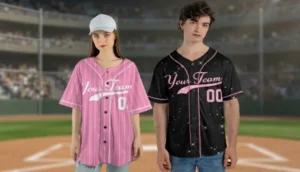
If you need shirts, shorts and socks together, ordering custom embroidered hats New York keeps colours matched across every piece and simplifies the size sheet.
Getting Quality without Overspending
Team budgets are usually tight, especially for youth clubs and schools. The trick is to spend where it matters and save where it doesn’t.
Worth paying for:
- Durable, moisture-wicking fabricfor match shirts and shorts. These get worn and washed the most.
- Sublimated numbers and designs, which outlast cheap heat transfers and won’t need replacing mid-season.
- Reinforced stitchingat shoulders, side seams and waistbands.
Where you can save:
- Fewer colours and simpler designs.Some printing methods charge per colour or per placement.
- Training topsin a basic fabric rather than full match quality.
- One combined orderfor several squads to reach better quantity pricing.
- Socks and accessoriesin standard colours instead of fully custom ones.
Ask suppliers for a sample before placing a large order. Feeling the fabric and checking the print is the cheapest insurance you can buy.
ARA Apparel works with clubs and schools to balance budget and quality, starting from what the team actually needs rather than a fixed package. Ready to kit out your squad? Shop now or request a quote for your team.
Warm-Ups and Off-Field Gear
The match kit is only part of the picture. What the team wears before kick-off, on the bench and when travelling also shapes how the club looks and how comfortable players stay.
- Track suits:the most useful off-field item. Players wear them for warm-ups, travel and cold sidelines. Match the colours to the kit and add the club badge.
- Training tops:lighter, cheaper shirts for practice keep match jerseys fresh for game day.
- Hoodies and jackets:good for cold mornings and for parents and coaches to wear on the sideline.
- Bags and caps:a branded kit bag keeps everything together and makes the team look organised at away games.
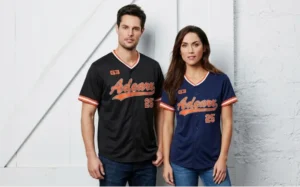
When choosing warm-up gear, look for the same quality signs you would in everyday wear: mid-weight fabric, strong zippers and cuffs that hold their shape. Our guide to premium quality denim explains what to check in detail.
Ordering match kit and off-field gear together usually makes it easier to keep colours consistent across every piece.
Conclusion
The right custom team uniforms keep players comfortable, make the club look professional and last the whole season. Choose breathable fabric, plan the design carefully, collect sizes early and leave yourself plenty of time before the first match.
At ARA Apparel, we help teams of every size get kit that looks sharp and performs on the pitch. Start planning your team’s next uniform today: https://ara-apparel.com/.